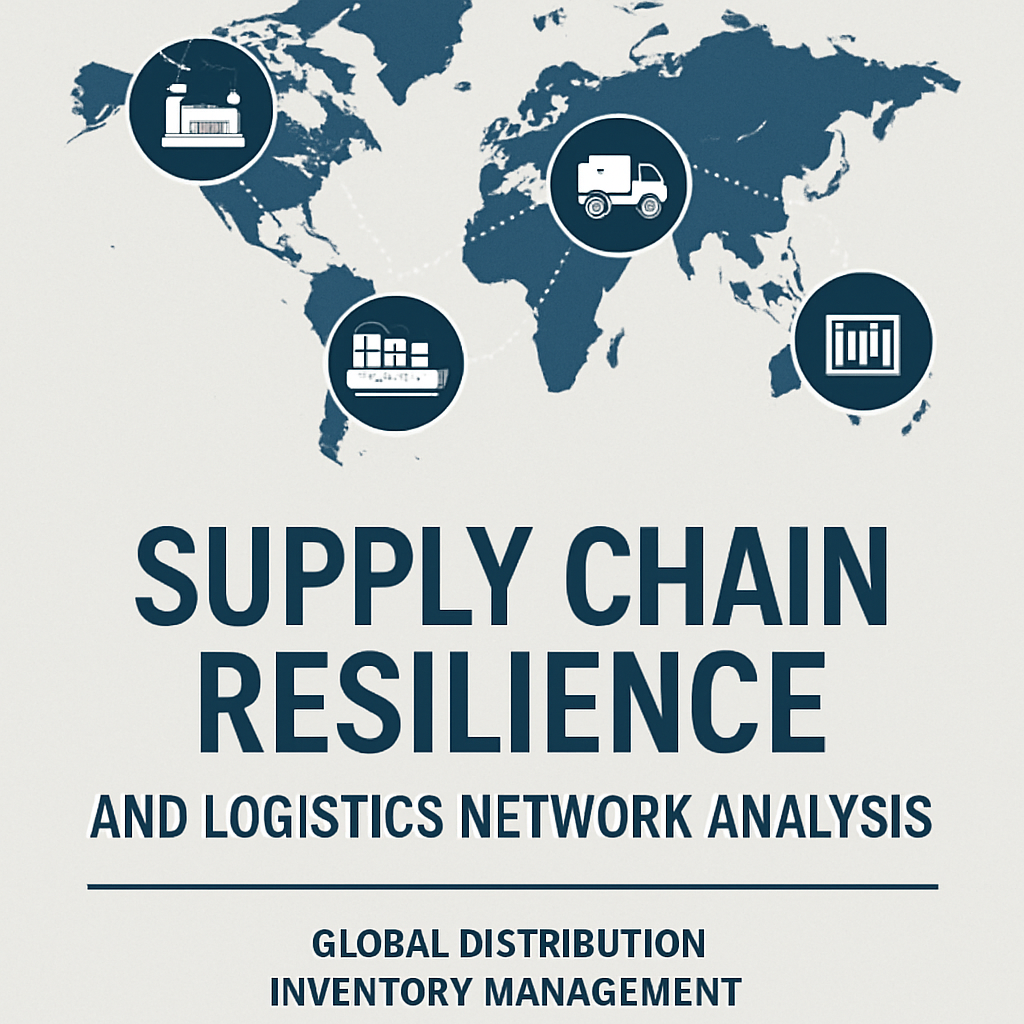
Supply chain resilience has become a board-level priority. Recent disruptions exposed dependencies on single regions, limited supplier visibility, and fragile logistics networks that amplified cost and delivery risk across industries.
Designing for Flexibility
Leading organizations are dual-sourcing critical components, regionalizing production where feasible, and investing in digital twins and control towers to improve end-to-end visibility. These measures increase upfront complexity but reduce the duration and severity of future shocks.
Procurement teams are also rebalancing cost optimization with risk scoring. Total cost of ownership models now incorporate geopolitical exposure, lead-time variability, and supplier financial health—not just unit price.
Collaboration Across the Ecosystem
Resilience is not achieved in isolation. Shared intelligence between suppliers, logistics partners, and internal planning functions helps identify bottlenecks earlier and coordinate response plans before customer impact materializes.
Updated On: Mar 16, 2024 | 2:45 PM | Operations